
Unlike renewable energy, non-renewable energy sources will become depleted. That calls for a closer look at the advantages and disadvantages of non-renewable energy and its outlook.
Arguments Surrounding Non-Renewable Energy
Non-renewable energies seem abundant, so you may think that if channeled correctly, supplies will be safe and ample for future generations. There are many arguments for and against non-renewable energy. These include:
Advantages of Non-Renewable Energy
According to the U.S. Energy Information Administration, non-renewable energy sources cannot be replenished in a short period. They include fossil fuels such as oil, natural gas, coal, and uranium used for nuclear energy. Despite this, they have a couple of advantages:
- The main advantages of non-renewable energies is that they are abundant and affordable. For example, oil and diesel are still good choices for powering vehicles.
- Non-renewable energy is cost effective and easier to product and use. According to National Geographic, there are reservoirs of non-renewable energy sources throughout the world.
Disadvantages of Non-Renewable Energy
On the other side are the disadvantages to non-renewable energy:
- Solarschools.net indicates that once sources of non-renewable energies are gone, they can't be replaced or revitalized.
- The mining of non-renewable energy and the by-products they leave behind causes damage to the environment. There is little doubt that fossil fuels contribute to global warming. When fossil fuels are burned, nitrous oxides causes photochemical pollution, sulphur dioxide creates acid rain, and greenhouse gases are emitted.
- A major disadvantage of non-renewable energy is the challenge of breaking humans of their habit of leaning on it. The Union of Concerned Scientists reports it's an uphill battle to sway consumers that the so-called "public goods" of renewable energy, such as reducing pollution for everyone, may not be enough to convince them to pay more for cleaner energy.
- As countries disagree through wars and differences, the prices of non-renewable energies such as oil has become a commodity where price fluctuation is always eminent. The burning of fossil fuels continues to rise producing high levels of carbon dioxide (CO2) which climatologists believe is a major cause of global warming.

Energy Source Information
Rider University has developed a list of five criteria for evaluating any energy source, including non-renewable sources:
- Availability - Is the energy source available and for how long? Fifteen years is considered to be near, fifteen to fifty years is intermediate, and over fifty years is considered to be long.
- Energy yield - How much of other energy is needed to produce the energy? Rider University uses a net energy ratio this is summed up as "Energy produced divided by energy expended during production." The higher the ratio, the better the energy yield.
- Cost - How much does the energy cost to develop and manufacturer? For example, needed high-technology to produce nuclear energy may be a detriment to its use.
- Environment - How does the energy affect the environment? Further, does extracting, transporting, and using the source outweigh the effects on the environment? Using coal as an energy source comes into play in these criteria.
- Renewable - Is the energy source a candidate for a renewable energy? Is it sustainable? Rider University experts say, "Why develop it if you're just going to run out of it?" Oil, for example, falls into these criteria.
Potential Implications
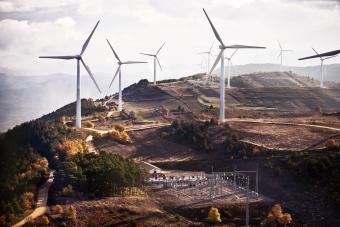
The case for utilizing non-renewable energy sources is favored by some and disfavored by environmentalists who plead for the need of renewable energy sources such as solar power and wind power. Lifestyle and mindset seem to play a role as well. According to the Reuben H. Fleet Science Center, the economic implications of future energy policy is also a factor. Those who are for continued development of non-renewable energy sources may have high stakes as far as profits. Those against it face the challenge of changing the mindset that non-renewable energy sources are, indeed, bad for the environment and continue to contribute to global warming.


